Hooknetik Blog
8 Avatars to Make for AI Influencer Video Content in 2026
Explore 8 avatars to make for short-form video in 2026, from persistent presenters to niche personas and product-led characters for growing brands.
By Serdar Senay14 min read
- avatars to make
- AI influencer avatars
- AI video avatars
- UGC video characters
- virtual influencer ideas
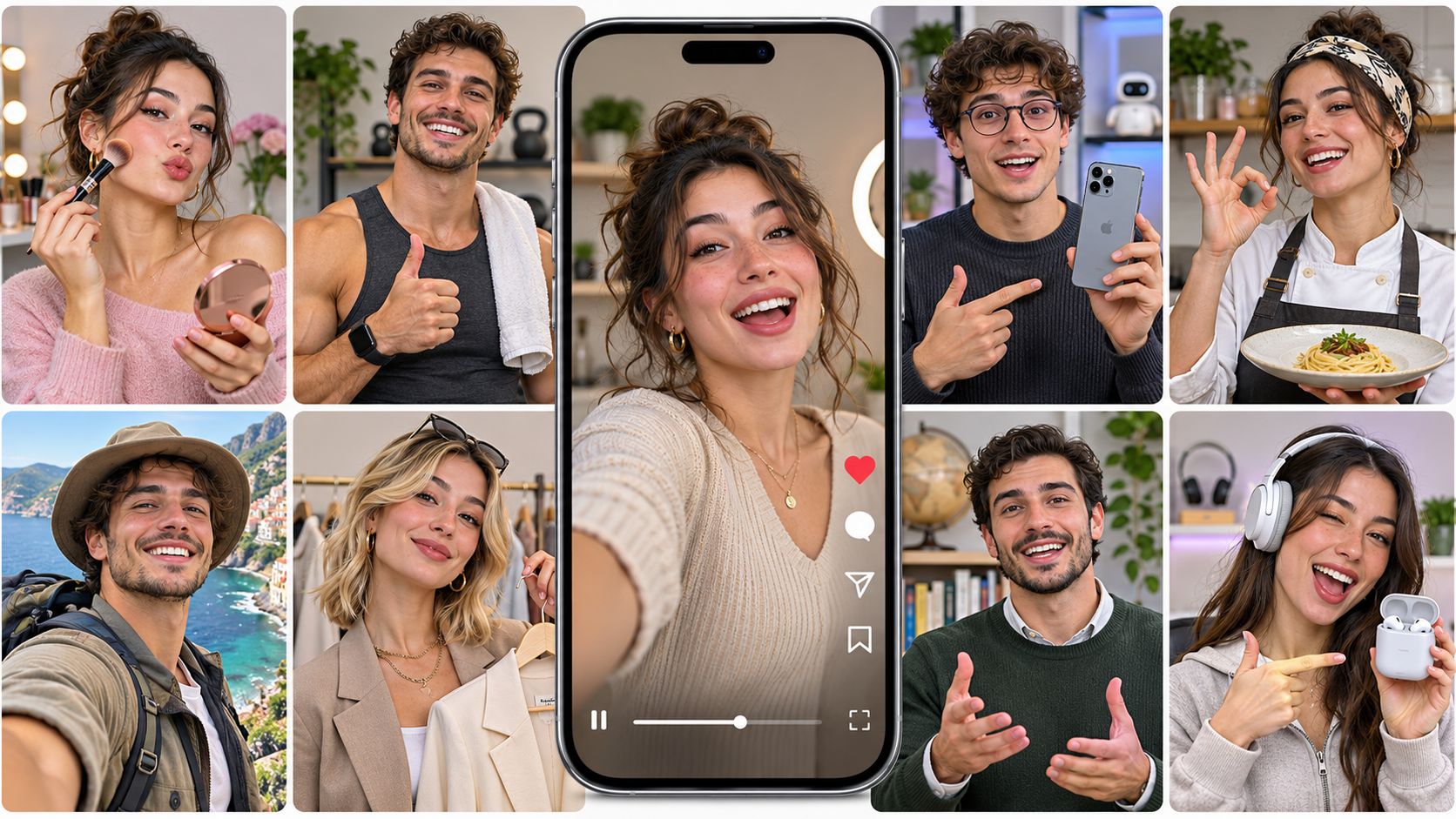
In short
Explore 8 avatars to make for short-form video in 2026, from persistent presenters to niche personas and product-led characters for growing brands.
You post a few product videos, then notice the presenter looks different in each one. The serum bottle disappears behind a hand, the next clip uses an unrelated setting, and your account no longer feels like the same shop. You have produced content, but you have not built a recognizable presence.
The most useful avatars to make solve a business problem before they solve a visual one. A beauty seller needs merchandise to stay visible in frame. A fitness brand needs movement that reads as believable on a small screen. An independent creator might need a separate identity to test a new niche without disturbing their main account.
Virtual personalities already carry real commercial weight, and academic work now treats them as a serious marketing channel rather than a novelty. Research published in the Journal of the Academy of Marketing Science examines how virtual influencers function in brand communication and what makes audiences respond to them.
That relevance does not make every generated character a useful spokesperson. Your production choices still determine whether viewers recognize the presenter, understand the product, and trust what you publish.
So pick a concept by the decision it solves, not the look it produces. The eight options below map to specific jobs: keeping one face across a month of posts, showing a catalog that changes week to week, or testing a niche with a single video before you commit to recurring production.
Table of Contents
- 1. Persistent Signature Presenter
- 2. Product-Insertion Shopfront Host
- 3. Motion-Transfer Trend Remix
- 4. Niche-Specialist Persona
- 5. Monthly Content Calendar Character
- 6. Influencer Alternate-Account Persona
- 7. Low-Commitment Trend Testing Character
- 8. Virtual Brand Spokesperson
- How the eight avatar concepts compare
- Frequently Asked Questions
- Choosing the Right Avatar Before You Build the Calendar
1. Persistent Signature Presenter
Choose this when your account needs a recognizable face, not another fresh character for every post. Create the facial identity once, then change clothing, hairstyles, products, and settings without rebuilding the person.
Lil Miquela and Shudu illustrate different approaches to a sustained virtual identity: a recurring social persona and a fashion-focused digital model. Treat them as identity references, not evidence that copying their appearance or positioning will produce similar results.

Start with a character brief covering apparent age range, facial features, styling, tone, and niche. Our creation process starts from a written description or a photograph you own, and retains the face when you change outfits and hairstyles.
For a beauty shop, that might mean the same presenter introducing skincare in a bathroom setting and makeup against a studio backdrop. The environment changes; the person shouldn't.
Keep Identity Stable, Not Every Detail
- Lock the face: Keep recognizable facial proportions and defining features.
- Vary the campaign styling: Change clothing and hair deliberately rather than regenerating the identity.
- Repeat the editorial voice: Use consistent vocabulary, pacing, and product-selection standards.
A longitudinal avatar-identity study tracked 81 participants for eight weeks and found increases in perceived coherence, presence, enjoyment, and realism. That supports continuity as a design principle, not a promise of higher sales.
Use the AI influencer guide to develop the character before filling a monthly calendar. The trade-off is creative restraint: constant reinvention may be interesting, but it makes recognition harder.
2. Product-Insertion Shopfront Host
A beauty seller can rotate serums, palettes, and brushes through the same presenter without turning every post into an isolated packshot. A jewelry shop can use a consistent outfit and background while changing the featured piece.
This avatar solves catalog visibility. The character attracts attention, but the merchandise must remain identifiable throughout the useful part of the clip.
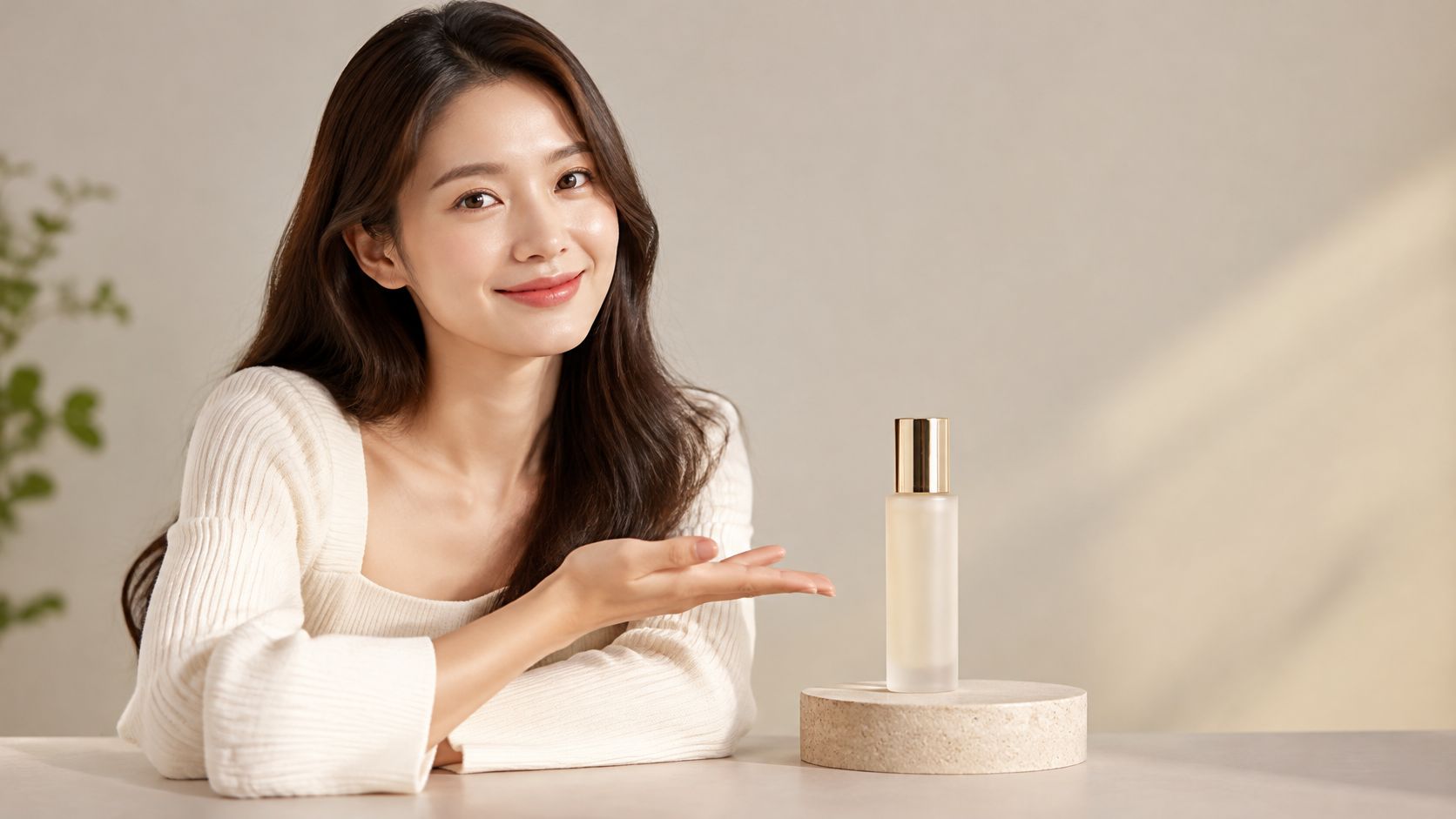
Prepare clean, well-lit product photographs with the whole item visible. Avoid source images where fingers hide the packaging or reflections obscure a label, because those ambiguities make the finished placement harder to judge.
Our workflow lets you pair the character with a product photograph, keep a default product, or substitute another item for a calendar day. The catalog-to-influencer workflow is useful for planning those substitutions without changing the account's presenter.
Review the Product Before the Performance
- Check identity: Compare packaging, color, shape, and visible branding with the original photograph.
- Check interaction: Watch for fingers passing through objects, unstable scale, or merchandise disappearing during movement.
- Write a specific caption: Name the item and a supported benefit rather than using generic praise.
Production priority: A convincing face doesn't rescue an inaccurate product.
Be especially careful with testimonials. The FTC's Consumer Reviews and Testimonials Rule guidance doesn't impose a blanket ban on AI avatars, but warns that synthetic personas can create liability when they falsely claim product use or experience.
Prefer factual presentation over invented personal results. A host can introduce a palette's shades without pretending to have worn them all day.
3. Motion-Transfer Trend Remix
Use this avatar when the goal is borrowed momentum with product clarity. A fitness-equipment seller needs the exercise and the handoff to the equipment to stay readable. A fashion seller needs a reveal that gives viewers a clean look at fit, drape, and detail.
Hooknetik transfers movement from a library clip or an uploaded reference to the same recurring character, and reference audio stays with the clip. Review the soundtrack with the same care as the visual sequence.
This demonstration shows the motion-led approach.
Hooknetik's template library draws from public short-form sources such as TikTok, Instagram, X, YouTube and Reddit, then screens candidates for a real person on camera and commercial quality. That still leaves the merchandising decision to you: pick motion because it can carry your offer, not because it already performed for someone else.
Adapt the Format, Not the Whole Message
Give preference to a clear body position, an unobstructed product area, and movement that matches your niche. Keep uploaded references under 15 seconds for a more controlled test; the upload workflow uses the first 15 seconds of clips that can run up to 30 seconds.
Open with your buyer's problem rather than reproducing the original creator's message. For an outfit reveal, name the styling problem in the first beat, then let the transition show the answer. The guide to viral motion templates for product videos can help connect reference selection to presentation.
Public availability does not grant permission to reuse a person's likeness, choreography, music, or recording. The trade-off is control: bigger movement adds energy, and it also adds hands, hems, props, and timing to inspect before the clip reaches the calendar.
4. Niche-Specialist Persona
A jewelry specialist and a general lifestyle host shouldn't deliver the same content in different outfits. The specialist earns a place in the feed by consistently addressing category-specific buying decisions.
For a jewelry shop, build content around necklace layering, clasp visibility, finish, and scale. For fitness, keep the character in training and recovery contexts, with demonstrations that don't imply qualifications or results you can't support.
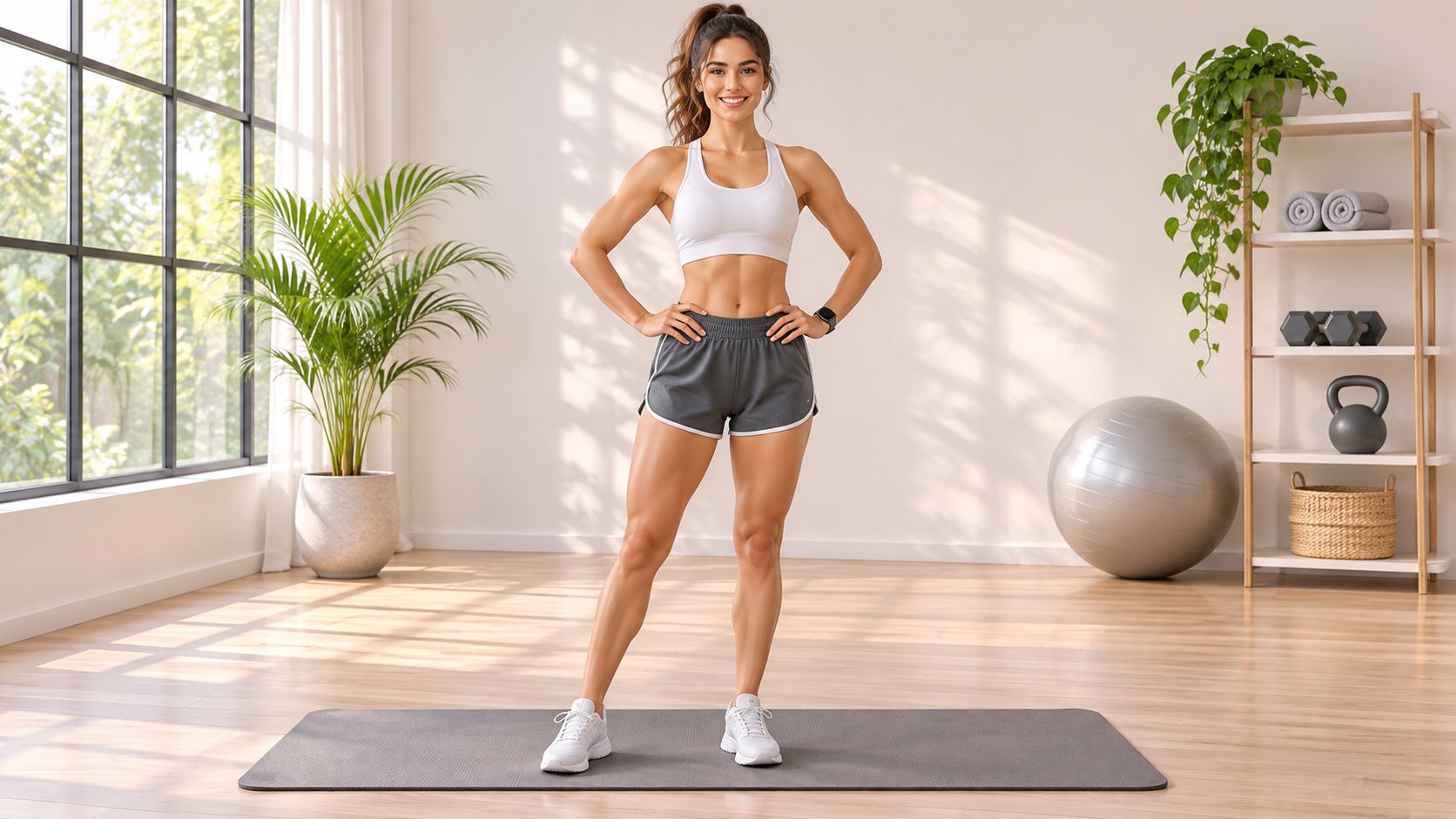
Choose the niche before selecting hairstyles, outfits, and reference motion. A glamorous evening setting might suit luxury accessories, but it can distract from a practical recovery-equipment demonstration.
Our character setup supports jewelry, beauty, fashion, fitness, and luxury niches, with styling variations built around the retained face. Use those choices to establish an editorial boundary, not just a wardrobe.
Give the Specialist a Useful Job
- Jewelry: Explain how pieces fit together and show details buyers need to inspect.
- Beauty: Present texture, packaging, application context, and supported product attributes.
- Fitness: Demonstrate setup and intended use without inventing coaching credentials.
- Luxury: Emphasize design details and presentation without manufacturing provenance claims.
The FTC's influencer disclosure guidance requires material connections to be disclosed with the endorsement and prohibits unsupported claims or descriptions of product experiences the endorser hasn't had.
A niche persona therefore needs editorial limits. A skincare character can explain a product's labeled purpose, but shouldn't become a fictional patient describing a cure.
The trade-off is breadth. You'll have fewer plausible topics, but a clearer reason for the intended buyer to follow.
5. Monthly Content Calendar Character
Choose this when inconsistent production, rather than character design, is your main bottleneck. The presenter becomes the recurring host of a planned series, with different products and themes assigned before generation begins.
For example, an online shop could organize a month around product introductions, styling combinations, buying questions, and seasonal promotions. That gives the account variety without replacing its visual identity whenever the subject changes.
Plan Editorial Variety Before Generating
Hooknetik's Creator plan provides 30 video credits per month, and its subscription calendar supports template changes, product substitutions, caption edits, and pauses. Test quality with a lower-tier plan before committing to that volume.
Separate the production calendar from the publishing schedule. We deliver videos and captions for download and manual posting; automatic posting to TikTok and Instagram isn't available yet and remains subject to platform approval.
- Assign themes: Give each week a clear commercial purpose rather than filling empty dates.
- Rotate deliberately: Alternate products, settings, and motion while retaining the presenter.
- Reserve review time: Check every export before moving it into your social scheduling tool.
A filled calendar isn't a quality check. Keep a human approval step between generation and publication.
Our finished videos use vertical 9:16 at 720p. The TikTok video-size guide recommends 9:16, with 1080 by 1920 pixels commonly cited for full-screen export, so assess fine packaging text carefully at the lower output resolution.
The trade-off is production pressure. A daily plan can encourage publishing weak clips because they're ready. Pause or replace those entries instead of treating the calendar as an obligation.
6. Influencer Alternate-Account Persona
An established fashion creator might want to test a jewelry-focused account without turning their main feed into a product catalog. A brand might want to explore a different audience without changing its primary voice.
A separate avatar gives that experiment its own recognizable identity. Keep its face persistent, but make its niche, vocabulary, and editorial purpose distinct from the original account.
Separate the Positioning, Not the Accountability
Write down what belongs on the alternate account and what stays on the main one. A useful distinction might be personal styling commentary on the primary account and product-focused demonstrations on the alternate.
Track audience response separately. Look at whether viewers ask relevant buying questions, visit the appropriate product pages, or return for similar content, rather than combining every account's engagement into a single flattering total.
Disclosure needs equal care. Instagram's branded-content policy covers content influenced by a business partner in exchange for value, including payment or free gifts, and requires appropriate commercial disclosure.
- Identify the synthetic persona: Make its digital nature understandable in the profile and relevant posts.
- Identify commercial relationships: Don't expect an AI label to communicate a paid partnership.
- Keep responsibility visible: Make it clear which creator or business operates the account.
The trade-off is operational overhead. You aren't just making another face; you're taking on another content position, moderation queue, and measurement process.
Don't use the alternate character as a way to fabricate independent customer approval. A brand-controlled persona remains brand-controlled even when its biography, styling, and username differ from the main account.
7. Low-Commitment Trend Testing Character
Before buying recurring production, inspect a finished video. A beautiful character portrait doesn't tell you whether the face survives movement or whether a product stays recognizable in the export.
Say a seller wants to compare an outfit reveal with a stationary product presentation. Keep the presenter, product photograph, and message consistent, then change the reference format so the comparison answers a useful question.
Our one-off generation process lets you make a paid video without a subscription. If generation fails, we automatically return the credit; a completed clip that doesn't suit your creative preference isn't the same as a failed generation.
Test the Variable You're Unsure About
- Character uncertainty: Compare styling while keeping the reference movement stable.
- Format uncertainty: Keep the character and product unchanged while testing motion.
- Placement uncertainty: Try a cleaner product photograph before redesigning the whole concept.
The video testing guide is a starting point for evaluating that workflow. Treat the test as a production decision, not a promise that a small sample will predict commercial performance.
Testing rule: Change the input you're evaluating, not every input at once.
Watch the complete export at normal speed, then inspect questionable frames. Review facial continuity, hands, product geometry, cropping, captions, and audio before judging whether the clip is usable.
Move to a monthly workflow only when you can describe a repeatable combination of presenter, product, reference style, and review standard. The trade-off is slower initial output, but you avoid filling a calendar with a format you haven't approved.
8. Virtual Brand Spokesperson
The signature presenter makes an account recognizable. The virtual brand spokesperson represents the business itself, across campaigns, product categories, and recurring messages.
A luxury accessories brand could use the same digital face for seasonal launches and detail-led product videos. A fitness brand could retain its character across equipment introductions, setup demonstrations, and promotions.

This approach needs a brand guide covering appearance, tone, vocabulary, approved contexts, and prohibited claims. Define who can approve scripts and styling changes so the spokesperson doesn't develop a different personality with every campaign.
Build a Rights Record Alongside the Brand Guide
The Fairlabs virtual-human ethics framework recommends specific, revocable, purpose-bound consent and preservation of information about creators, source material, and permissions. A recognizable replica of a real person therefore needs more than an uploaded photograph.
Record permission for the source image, likeness, voice, reference footage, music, product imagery, and intended outputs. Define campaign scope, territory, duration, permitted edits, and what happens if permission is withdrawn.
A fictional character created from a description avoids some real-person likeness questions, but doesn't remove rights questions around other assets. Keep an asset register and a takedown contact.
Use the AI UGC video workflow as a production framework, while keeping approval and rights decisions with named people. The trade-off is governance: the more closely the character represents your brand, the less freedom you should allow for unreviewed experimentation.
How the eight avatar concepts compare
| Item | Best for | Ideal niche | Starting input | Commitment level |
|---|---|---|---|---|
| Persistent Signature Presenter | Building a recognizable recurring character | Beauty, fashion, fitness, jewelry, or luxury | Written character description or owned photo | Repeated use helps build recognition |
| Product-Insertion Shopfront Host | Showing products in personality-led videos | Online shops and product sellers | Product photograph | Flexible product rotation; manual posting |
| Motion-Transfer Trend Remix | Adapting popular short-form video formats | Brands seeking trend-led content | Template or reference clip | Short-form testing; use clips you own or can license |
| Niche-Specialist Persona | Reinforcing a clear category identity | Jewelry, beauty, fashion, fitness, or luxury | Niche selection and styling choices | Ongoing focus within one niche |
| Monthly Content Calendar Character | Planning a regular series of posts | Small brands and online shops | Monthly plan and content themes | Monthly subscription |
| Influencer Alternate-Account Persona | Testing a new audience or niche without filming | Creators and brands expanding into another category | Separate character and account concept | Ongoing management of a second account |
| Low-Commitment Trend Testing Character | Testing video quality and fit before scaling | Sellers and independent creators exploring formats | One-off video idea, character, or product | One-off generation before a possible plan |
| Virtual Brand Spokesperson | Establishing a consistent digital brand face | Fitness, luxury, and product brands | Brand character concept and guidelines | Long-term brand-building commitment |
Frequently Asked Questions
Which Avatar Should a Small Shop Make First?
Start with a persistent presenter paired with a product. That combination lets you assess identity consistency and merchandise visibility without managing several characters.
Choose the item you can photograph clearly and describe accurately. Don't begin with the most visually complicated product just because it's your bestseller.
Should an AI Avatar Be Labeled?
Make the synthetic nature clear and disclose commercial relationships separately. A study of AI-label preferences found that 75.7% of surveyed users wanted AI labels on real-world social-media platforms, which supports treating disclosure as part of production rather than an afterthought.
Use plain language such as “AI-generated presenter,” then describe human-recorded or supplied elements where that distinction matters. Keep relevant disclosures visible in the exported content so they aren't lost when someone downloads or reposts it.
Can an Avatar Claim to Have Used a Product?
Don't script invented personal use, experiences, or results. Describe supported product attributes and demonstrations instead of making the character impersonate a satisfied customer.
For example, explain a bag's compartments rather than claiming the avatar carried it on a trip. Review the caption and audio for the same problem.
Choosing the Right Avatar Before You Build the Calendar
Choose the concept that matches your immediate business decision. If viewers can't recognize your account, prioritize a persistent presenter. If they notice the character but miss the merchandise, build a product-insertion host and simplify the movement.
A niche specialist suits a focused category strategy. An alternate-account persona suits a positioning experiment. A virtual brand spokesperson makes sense when you're ready to document not just appearance, but approvals, rights, disclosure, and long-term editorial limits.
Start With a Small, Reviewable Production
Begin with a persistent character, a clearly defined niche, and a product you can represent accurately. A finished video is enough to judge whether that particular combination of face, motion, and product placement holds up, though it won't establish whether the format will sell.
Review the export rather than relying on the setup screen. Watch for facial changes, unstable packaging, obscured labels, awkward hand contact, and reference audio that no longer fits the message.
- Keep it when the presenter stays recognizable and the product reads clearly.
- Revise it when the concept works but a source image, outfit, or reference clip creates avoidable problems.
- Reject it when the output misrepresents the merchandise, invents an experience, or lacks usable permissions.
Our policies don't allow generated videos to be presented as authentic footage of real people or real events. Maintain that distinction even when the character looks realistic and the clip has no watermark.
Scale the Approved Format, Not the Unresolved Problems
Once you have a usable format, build variety through products, settings, wardrobe, and editorial themes. You don't need a new face every time you need a new post.
Keep the operational record simple: character brief, approved product photographs, reference permissions, disclosure wording, and final-review owner. Those records make it easier to repeat good decisions and remove content when something changes.
The strongest avatars to make aren't necessarily the most elaborate. They're the ones with a clear job, accurate product representation, and a production process you can repeat without lowering your standards.
Hooknetik offers persistent digital characters, optional product-photo insertion, and motion transferred from reference clips for short vertical videos. Visit Hooknetik to create a presenter and test a product-led video before building a recurring content calendar.
Create your influencer, then fill the calendar.
Free to create the face. Pay when you generate videos. Start from the product demo if you want screens first.
Create your influencer free. Try one video for $5.99, or Creator at $99/mo for a video a day. Plans stack on Billing.