Hooknetik Blog
Advertising a Product Example: 8 Creative Breakdowns
Advertising a product example across 8 iconic campaigns, from Dove to Gymshark. Learn the creative choices behind each and tactics to copy in short video.
By Serdar Senay14 min read
- product advertising example
- short-form video ads
- product video ads
- UGC product ads
- creative ad examples
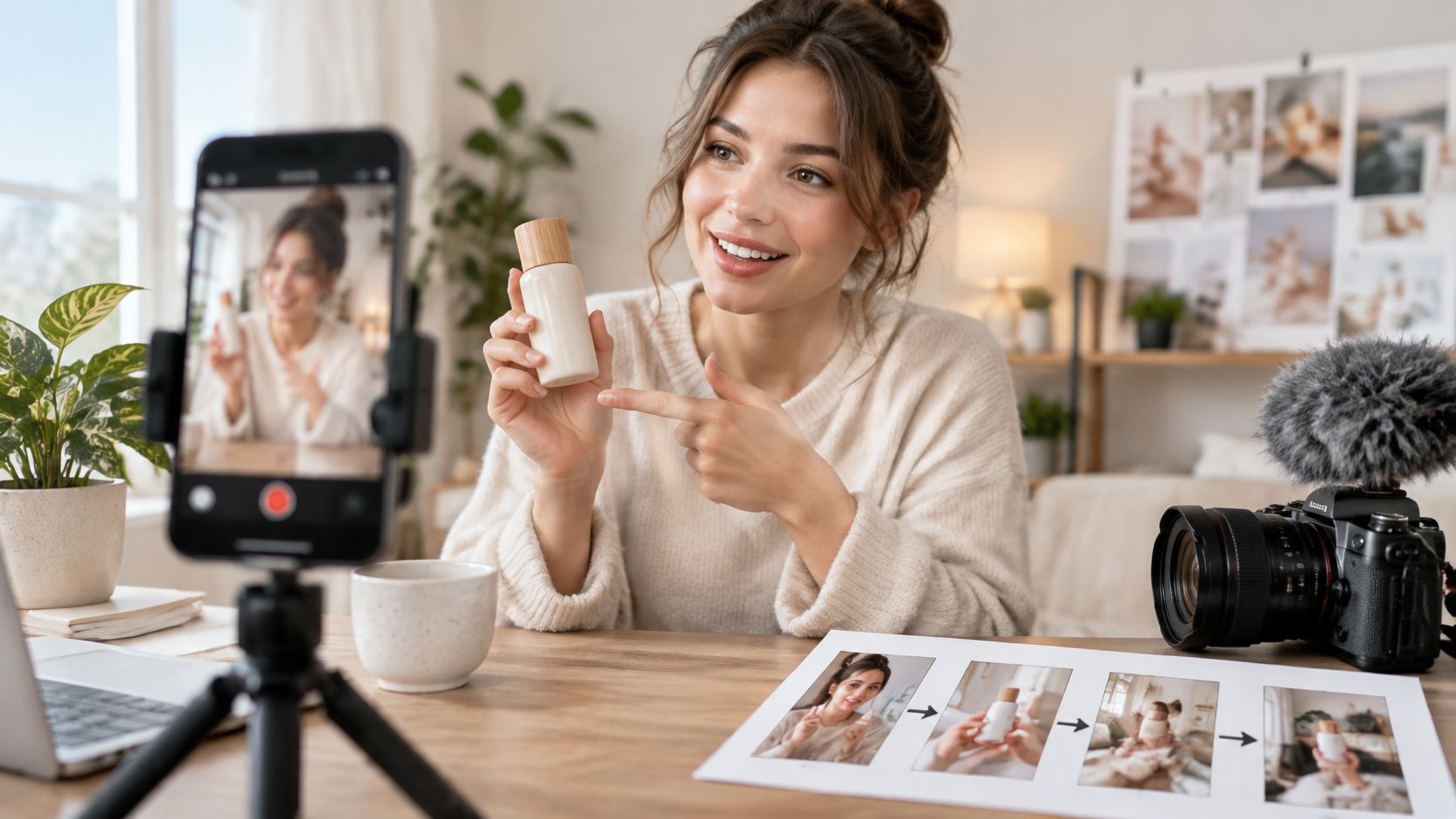
In short
Advertising a product example across 8 iconic campaigns, from Dove to Gymshark. Learn the creative choices behind each and tactics to copy in short video.
Why do people remember an ad's character, joke, or emotional moment but forget the product's specifications? Because the person gives viewers a reason to watch, while the product gives them something to buy. The creative challenge is connecting those jobs without letting either disappear.
A useful advertising a product example shows more than persuasive wording. It shows who appears on screen, what viewers can verify, when the product enters the scene, and why someone would take the next step. That matters for social discovery: 61% of U.S. consumers said they'd discovered a new brand or product on social media during the previous year in Deloitte Digital's 2025 State of Social research.
The campaigns below use different creative levers, including persona, proof, character, and community. Their value isn't that you can copy a famous execution. It's that you can adapt the underlying decision to a vertical video featuring your own product and a recurring on-screen personality.
- Borrow the mechanism: A recognizable host, a visible demonstration, or a customer-led routine.
- Keep the evidence honest: A generated scene can present merchandise, but it can't establish real-world performance.
- Build for repetition: Retain the character's face and voice while changing the product, customer question, or use case.
The product can play a supporting role. It still needs a clear reason to be there.
Table of Contents
- 1. Dove Campaign for Real Beauty
- 2. Old Spice "The Man Your Man Could Smell Like"
- 3. Dollar Shave Club Launch Video
- 4. Apple "Shot on iPhone" Campaign
- 5. Aerie #AerieREAL Campaign
- 6. Lil Miquela Virtual Influencer Partnerships
- 7. Glossier Community-Led Content
- 8. Gymshark Creator Partnerships
- How each product advertising example persuades and where the product appears
- Turn These Ad Patterns Into Your Next Product Video
1. Dove Campaign for Real Beauty
Dove's Campaign for Real Beauty, developed with Ogilvy & Mather, put women of varied ages, body types, and skin tones at the center of beauty advertising. The creative decision was to make recognition and self-esteem more important than an idealized appearance.

The print and billboard work made that choice immediately visible. Real Beauty Sketches explored the same territory through a drawing exercise, contrasting participants' descriptions of themselves with descriptions from strangers. The product wasn't the main event, but the brand's position was recognizable.
Translate Recognition Into a Product Moment
For a body-care seller, start with an everyday context rather than a beauty transformation. Show a person getting ready, introduce the lotion during the routine, and close on the actual packaging.
A recurring digital presenter can reproduce the relatable framing, but shouldn't impersonate a real customer or claim lived experience. Retain the face, add the product photo, and vary the setting or routine across scheduled posts. Keep skin texture and product appearance consistent rather than generating an artificial before-and-after.
Practical rule: Borrow Dove's respect for the audience, not the appearance of documentary evidence.
The trade-off is product recall. An emotional film can leave viewers remembering the sentiment but not the item, so include a readable pack shot and a concrete reason to consider it.
Keep the central message consistent across TikTok and Instagram. Change the opening situation for each audience, not the underlying promise. A recognizable message with a visible product is more useful than unrelated inspirational clips.
2. Old Spice "The Man Your Man Could Smell Like"
Isaiah Mustafa's Old Spice spokesperson doesn't behave like a conventional product demonstrator. He addresses the viewer directly, moves through absurd situations, and delivers the script with unwavering confidence. Wieden+Kennedy made the character's behavior the organizing idea.
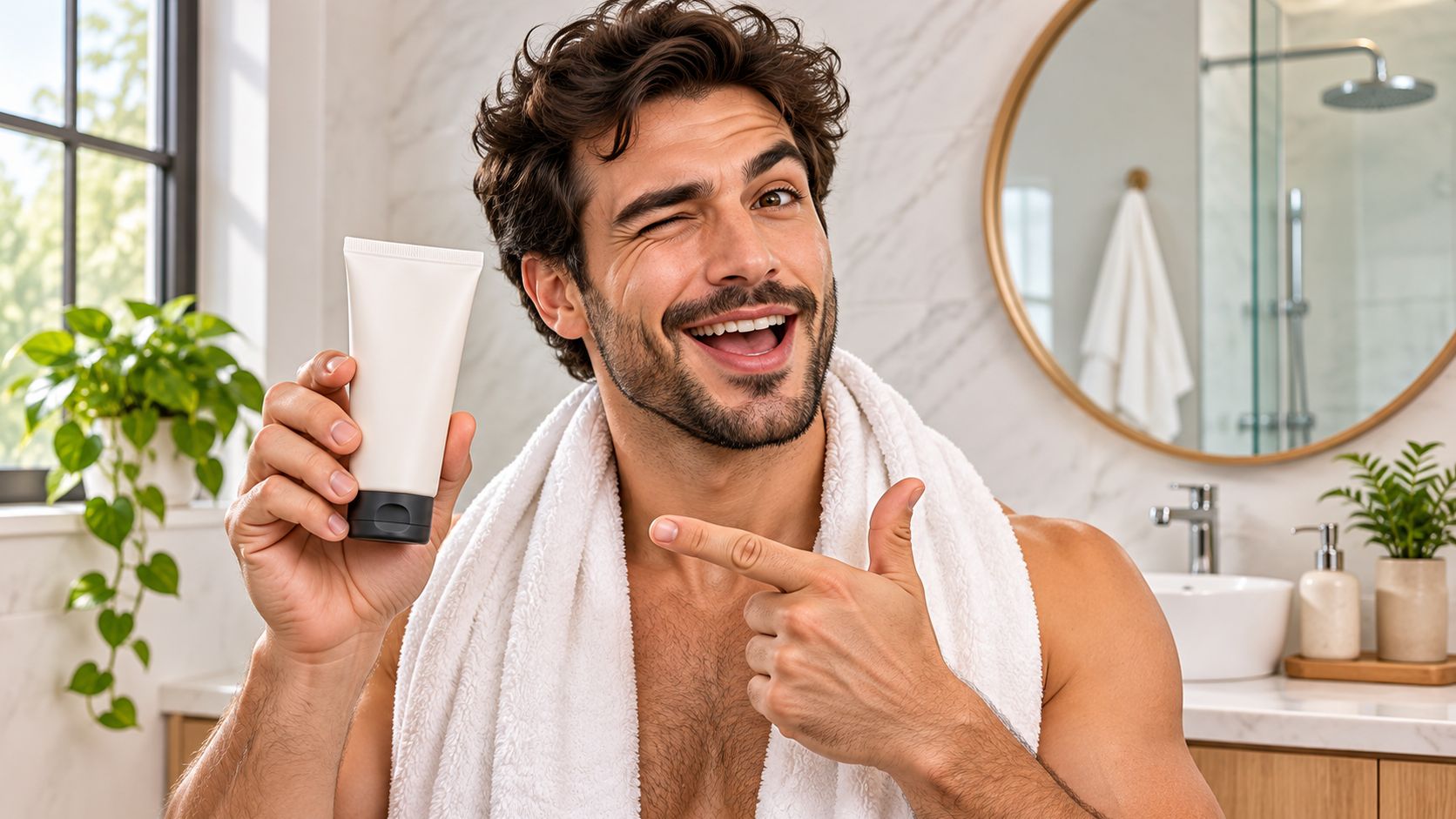
The original commercial spoke to women shopping for men's grooming products. Follow-up responses to social comments gave the same personality new material without requiring a new campaign premise. That's the transferable lesson: consistency doesn't mean repeating the same script.
Build a Character With Rules
A jewelry seller could use an extravagantly decisive stylist who solves outfit dilemmas. The presenter opens on the wardrobe problem, displays the earrings, then delivers a dry closing line.
Define the persona before generating variations:
- Voice: Choose a recognizable delivery, such as calm expertise or theatrical certainty.
- Appearance: Retain the face and a signature styling detail.
- Product behavior: Establish how the character introduces, holds, or points toward merchandise.
- Response format: Turn genuine audience questions into follow-up clips without inventing comments.
Use the guide to avatars to make to think through a character that fits the category rather than borrowing a celebrity's likeness.
With a retained digital face and product photo, the repeatable pattern is question, confident answer, product reveal. Rotate the question and merchandise through the calendar while keeping the character recognizable.
The risk is overperformance. If the joke needs elaborate explanation, viewers may miss the product. Keep the humor in the delivery and make the item easy to identify.
3. Dollar Shave Club Launch Video
Dollar Shave Club's launch video put founder Michael Dubin in front of the camera to explain a subscription razor offer with deadpan humor. The setting, interruptions, and delivery made the explainer entertaining, but the commercial proposition stayed understandable.
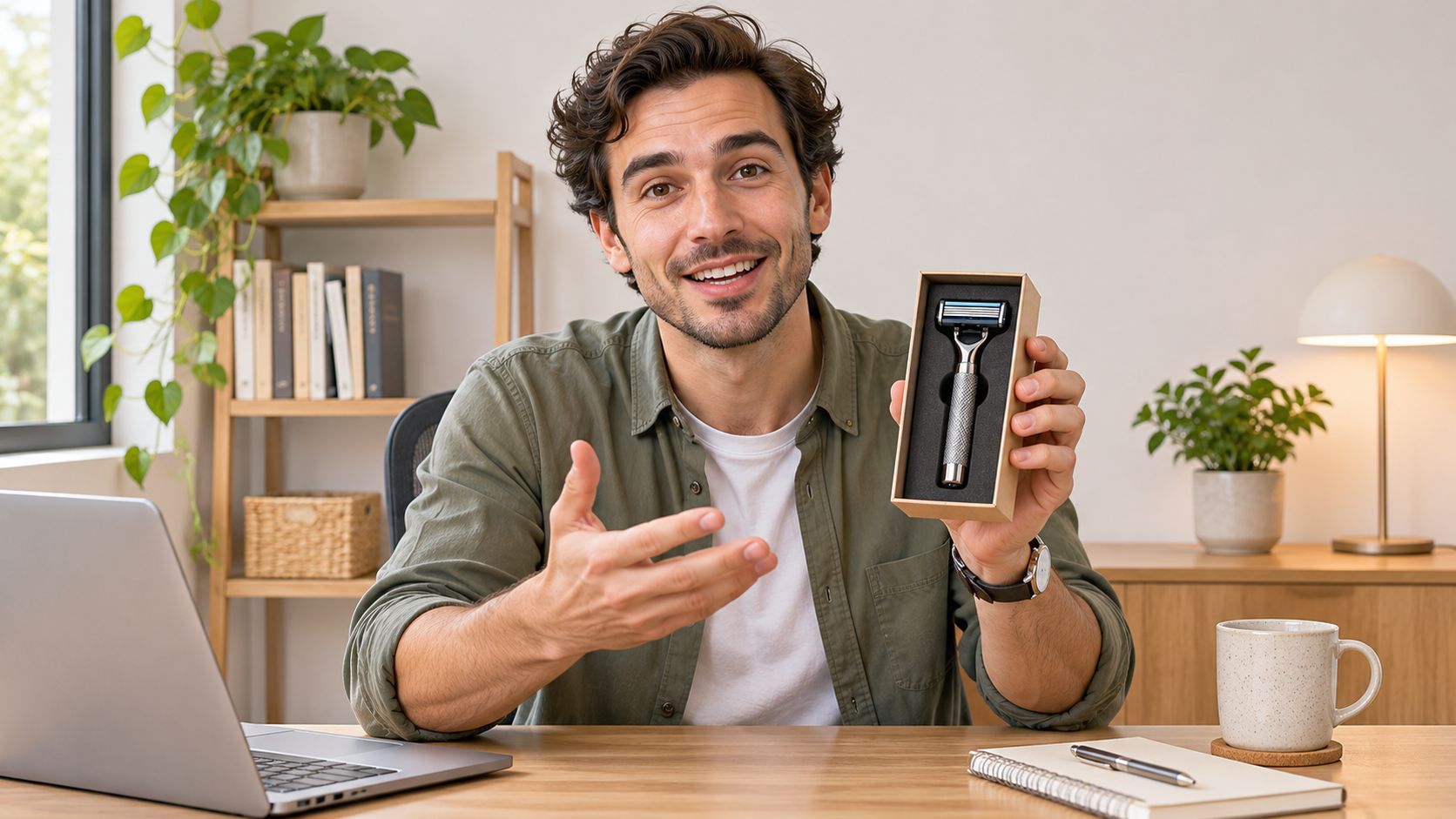
Unlike a character-led ad built mainly for recognition, this pattern must answer practical buying questions. What arrives, why would I want it, and what happens after I order? Humor helps only if viewers can still explain the offer afterward.
For a refillable skincare subscription, open with the inconvenience of running out. Show the starter product and refill separately, explain the actual delivery arrangement, and direct viewers to the subscription page. Don't hide recurring billing behind a funny presenter.
Keep the Offer Clear When the Script Gets Funny
An AI presenter can carry the explainer without pretending to be the founder. Retain the face, use an accurate product photo, and schedule separate clips around the starter kit, refills, and common ordering questions.
The guide to motion templates for AI influencer product videos is relevant when matching a direct-to-camera explanation with movement that doesn't compete with the offer.
A subscription ad should make the next purchase easier to understand, not just the current video more entertaining.
Test different openings against the same offer and landing page. An inconvenience-led hook and a value-led hook can reveal different customer priorities, but changing the hook, price presentation, and checkout simultaneously makes the result difficult to interpret.
Keep later social clips in the same tone. Familiar delivery helps, but each clip should resolve a different reason someone might hesitate.
4. Apple "Shot on iPhone" Campaign
Show the result before describing the technology. Apple's Shot on iPhone campaign applies that principle through customer photographs, billboards, social posts, and films that put camera output at the center of the advertisement.
The execution makes sense when viewers see what the device helped create.
The creative lever is demonstrable proof. Instead of asking viewers to translate camera specifications into a benefit, the ad gives them an output to evaluate. Short films and still photographs offer different demonstrations of the same capability.
For a beauty seller, the equivalent might be genuine footage of a cosmetic's finish under consistent lighting. For jewelry, it could be actual footage showing the clasp, scale, and movement on a wearer.
Separate Presentation From Evidence
A recurring AI host can introduce a demonstration and explain what to notice. It shouldn't replace the demonstration itself when the claim depends on actual product behavior.
Use this production sequence:
- Capture the evidence: Record the actual product under conditions relevant to the claim.
- Add the presenter: Use the retained character to introduce the item and frame the comparison.
- Preserve the result: Don't alter footage in ways that exaggerate finish, fit, or performance.
- Handle permissions: Secure written reuse rights and credit customer creators as agreed.
Use the video-editing guide when planning how the introduction and evidence will fit together.
The trade-off is production effort. Genuine demonstrations require more care than swapping a product photo into a template, but they answer questions a generated scene can't. Schedule new introductions around reusable, rights-cleared footage rather than repeatedly manufacturing apparent proof.
5. Aerie #AerieREAL Campaign
Aerie, the intimates brand within American Eagle, made a specific promise through #AerieREAL: advertising images wouldn't retouch models' bodies or faces. Unretouched swimwear and lingerie imagery gave the audience something more concrete than a general claim of authenticity.
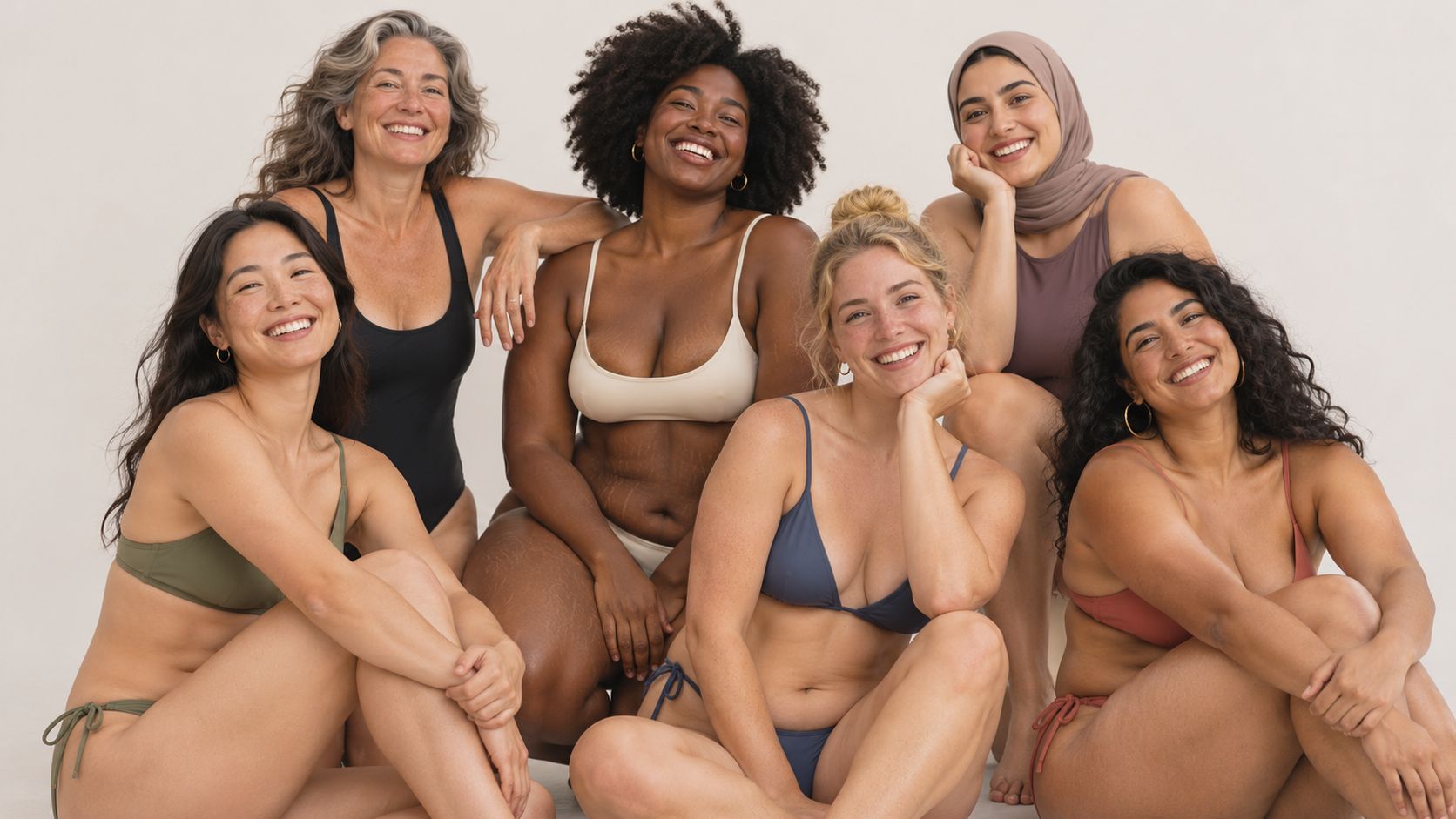
Customer participation extended the idea through campaign-tagged posts. The important mechanism wasn't the hashtag alone. It was a visible promise that people could recognize and participate in.
That creates a real limitation for synthetic content. A generated person wearing generated clothing isn't evidence of unretouched human appearance, even when the image looks natural.
Match the Promise to the Production Method
For a swimwear shop, use genuine customer or model footage to show fit. A recurring digital host can introduce the collection, explain available cuts, and invite customers to submit their own styling photographs.
Keep the boundaries clear:
- Real fit evidence: Use actual wearers for claims about support, coverage, and movement.
- Digital presentation: Use the retained face and product photo for collection introductions, clearly identified as synthetic.
- Community participation: Offer a simple submission prompt and obtain permission before featuring responses.
Transparency deserves visible space. In the consumer findings summarized by eMarketer's influencer-marketing FAQ, 80% preferred clear advertising identification.
Don't combine an authenticity promise with concealed artificiality. If the character is digital, say so plainly and keep genuine customer contributions distinct from generated scenes.
The repeatable schedule can alternate collection explainers with permissioned customer features. That preserves consistency without making the synthetic presenter stand in for real bodies.
6. Lil Miquela Virtual Influencer Partnerships
Lil Miquela, created by Brud, illustrates a different proposition: the digital character is part of what viewers follow. Fashion styling, a persistent identity, and story-driven posts give product placements a recognizable setting.
Her work with brands including Prada and Calvin Klein makes the creative distinction clear. A virtual influencer needs an identity beyond the merchandise, or every post becomes an unrelated catalog image.
The relevant lesson isn't to reproduce her face or biography. It's to establish a character whose preferences explain why a particular product appears.
Write the Character Before the Sponsorship
For a luxury-accessories seller, define a restrained wardrobe, recurring settings, and a consistent way of discussing design. Retain the digital face, insert the product photo, and build scheduled clips around occasions such as commuting, evening dressing, or packing.
The AI influencer guide provides context for developing that ongoing identity. Keep the character's product choices compatible with its established style rather than accepting every possible placement.
Disclosure needs separate treatment for commercial relationships and digital identity. The FTC's influencer guide explains that material connections can include payment, gifts, discounts, employment, and family relationships, with responsibilities for both advertisers and endorsers.
Disclosure principle: Identifying a character as digital doesn't explain who paid for the promotion.
Place sponsorship language where viewers will notice it, and identify synthetic presentation without burying the explanation. Don't give a digital character fabricated personal experience, such as claiming it wore a bag throughout a trip.
The trade-off is creative discipline. A consistent character narrows the range of suitable products, but that constraint makes the account more coherent.
7. Glossier Community-Led Content
A customer showing the products beside their bathroom sink can give a beauty brand something a pristine studio scene may not: a recognizable routine. Glossier, founded by Emily Weiss and developed from Into The Gloss, built marketing around that relationship between products and everyday users.
Customer photographs, reviews, and routine-based posts provide different kinds of material. Their value comes from specific context, not from making every contribution look professionally produced.
For a skincare shop, ask customers where an item fits in their routine and what they want other shoppers to understand. Don't feed them claims they can't substantiate or edit their words into stronger promises.
Use a Recurring Host to Organize Real Contributions
A retained digital presenter can introduce a permissioned customer routine, display an accurate product photo, and explain the sequence. Keep the customer's images and statements identifiable as their contribution rather than making the presenter appear to be the reviewer.
A workable recurring schedule might rotate between:
- Routine explanations: Show where the product fits without inventing personal results.
- Customer questions: Answer genuine questions about use, packaging, or selection.
- Permissioned features: Credit contributors and preserve the meaning of their statements.
Disclosure depends on the relationship, not just the format. The FTC's consumer guidance for influencers distinguishes independently purchased, unpaid opinions from promotions involving compensation or other benefits.
Community content isn't cost-free. Someone must request permission, review claims, organize assets, and respond to contributors. The benefit is a supply of real situations the brand wouldn't necessarily invent itself.
Don't manufacture community activity to fill calendar gaps. Publish a straightforward product explainer when there isn't a genuine customer story available.
8. Gymshark Creator Partnerships
Gymshark, founded by Ben Francis, built its fitness-apparel marketing around creators appearing in training and lifestyle content. The apparel belongs in the activity, so viewers encounter it while watching someone they already associate with fitness.
Creator workout videos and creator-led collection launches use context and audience alignment rather than an isolated product pitch. The garment appears as part of a routine, but the viewer still needs a reason to choose that particular item.
A leggings seller can adapt the pattern through genuine footage of squatting, stretching, or running, depending on the product's intended use. Keep the camera position and lighting useful for evaluating fit rather than relying entirely on flattering edits.
Use Digital Characters for Presentation, Not Wear Testing
A retained AI fitness character can introduce a collection, explain color options, or present a product photo. It can't establish compression, sweat handling, durability, or opacity through generated movement.
The AI UGC video generator overview is relevant to planning the presentation component. Pair that component with real testing whenever the selling point depends on physical performance.
- Choose the right audience: A creator's training style and followers should match the product.
- Show relevant use: Demonstrate the activity shoppers expect the garment to support.
- Use honest urgency: Promote a limited release only when availability is truly limited.
- Repeat the identity: Keep the presenter recognizable while changing the product or training context.
Distribution also needs testing. The Snax Lab campaign described by IQfluence reported an ad-group average of 6x–8x ROAS, illustrating a campaign-specific result rather than an expected outcome for fitness apparel.
Don't assume every clip deserves paid amplification. Compare product-page traffic and purchases, then back the creative that attracts relevant shoppers rather than merely enthusiastic viewers.
How each product advertising example persuades and where the product appears
| Item | Primary Persuasion Lever | Product Role in the Ad | Replicable in Short Vertical Video |
|---|---|---|---|
| Dove Campaign for Real Beauty | Relatability and self-esteem | Supports an identity-driven message, with product shown alongside it | Yes; use relatable people, emotional storytelling, and a visible product moment |
| Old Spice "The Man Your Man Could Smell Like" | Humor and memorable character | Grooming product is the focus of a direct, comedic pitch | Yes; use a consistent persona, punchy scripts, and comment-response clips |
| Dollar Shave Club Launch Video | Founder authenticity and humor | Subscription offer is explained clearly with a call to action | Yes; explain the recurring value early in a direct-to-camera clip |
| Apple "Shot on iPhone" Campaign | User-generated proof and credibility | Product capability is demonstrated through real customer work | Yes; show product use in real conditions and feature creator content |
| Aerie #AerieREAL Campaign | Authenticity and a verifiable brand promise | Apparel is shown on unretouched models and customers | Yes; feature real customers and state a specific, consistent promise |
| Lil Miquela Virtual Influencer Partnerships | Persistent digital identity and storytelling | Products appear as part of the character's style and story | Yes; maintain a consistent digital character and disclose its identity |
| Glossier Community-Led Content | Peer trust and community participation | Products appear in everyday routines and customer posts | Yes; feature customer routines and photos with permission |
| Gymshark Creator Partnerships | Creator credibility and community fit | Apparel is worn during workouts and everyday activities | Yes; show products in use with creators who match the target audience |
Turn These Ad Patterns Into Your Next Product Video
Pick the creative lever that addresses your current problem. Use a recognizable persona when the account lacks identity, a real demonstration when shoppers need evidence, or customer footage when they need context from people like themselves.
Build a single test before committing to a full calendar. Keep the product, audience, and landing page stable enough to understand what the creative changed.
Build a Test You Can Interpret
Write the production brief around the opening action, product appearance, evidence, disclosure, and next step. If you can't describe what viewers will see, the concept isn't ready to generate or film.
- Choose the claim: State the specific benefit the video can support.
- Choose the evidence: Decide whether a product photo is sufficient or real footage is necessary.
- Choose the action: Send viewers to the relevant product or subscription page.
- Choose the measurement: Track product-page visits, add-to-cart activity, purchases, and refunds alongside views and saves.
Separate engagement from business impact. A household-level study described by Xark reported $2.5 million in incremental sales from $674,000 in spend using exposed and matched control households, a different question from counting platform-attributed purchases.
You may not have access to that measurement design. Use tagged links and comparable audiences where practical, and treat changes in sales cautiously when promotions, stock, or other campaigns also changed.
Frequently Asked Questions
What makes an advertising a product example useful?
It reveals the mechanism you can reproduce: who appears, what the product does on screen, what supports the claim, and what viewers should do next. Fame alone doesn't make an execution suitable for your shop.
Can an AI influencer replace customer footage?
It can replace some presenter-led production, but it can't replace genuine testimonials or real product testing. Use the recurring character to explain and organize evidence, not fabricate it.
Should every video include a product?
No. Personality-led posts can establish the character, but product-focused posts should make the merchandise identifiable and connect it to a relevant use case.
Hooknetik offers a one-time $5.99 trial covering one influencer, one video, and one product, so you can evaluate a finished test before choosing a subscription. Results aren't guaranteed, so judge your own posts through views, saves, qualified traffic, and sales rather than assuming a familiar creative pattern will convert.
Hooknetik creates short vertical videos featuring a persistent digital character and optional product imagery. Visit Hooknetik to create a presenter, add your product photo, and test a creative pattern before building a recurring content schedule.
Create your influencer, then fill the calendar.
Free to create the face. Pay when you generate videos. Start from the product demo if you want screens first.
Create your influencer free. Try one video for $5.99, or Creator at $99/mo for a video a day. Plans stack on Billing.